*The views expressed in this editorial are those of the student author and do not necessarily reflect the views of The Madisonian staff, Madison Consolidated High School, or its administration. The Madisonian is committed to publishing student voices across a range of perspectives. All opinion pieces are edited for clarity, accuracy, and journalistic standards.
Throughout my 17 years of life, I have loved reading. Books have always represented endless possibilities. The idea that I could pick up a book and be immersed in any story or perspective was—and still is—incredible to me. Reading has shaped who I am today. It has made me more empathetic, creative, and open-minded.
Because of this deep love for books, I was shocked when I first began hearing about book challenges and bans in the United States. Books have long served as sources of both entertainment and education. While debates over content in schools are not new, the recent rise in book challenges feels unsettling. For me, the idea of restricting access to stories in a country that values free expression feels reminiscent of a dystopian novel.
In recent years, book challenges have increased significantly. Data from PEN America reported a dramatic 200 percent rise in school book bans from the 2022–2023 to the 2023–2024 school year. Supporters of book challenges often argue that removing certain titles protects young people from content they consider inappropriate. While age-appropriateness is an important conversation, removing books entirely can also limit opportunities for meaningful discussion and personal growth.
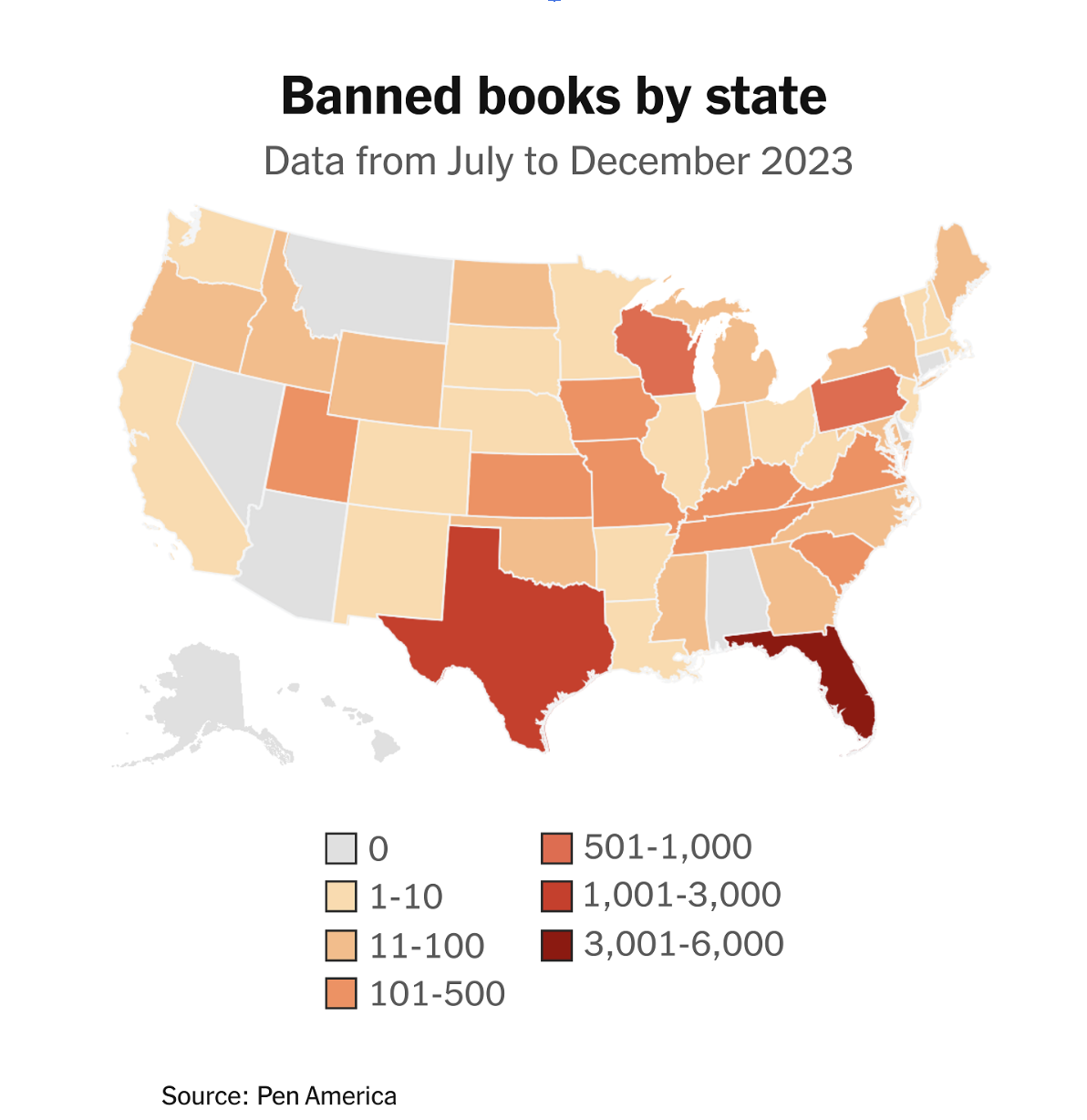
Books frequently challenged across the country include Gender Queer by Maia Kobabe, The Bluest Eye by Toni Morrison, It’s Perfectly Normal by Robie H. Harris, SHOUT by Laurie Halse Anderson, The Diary of a Young Girl by Anne Frank, and The Color Purple by Alice Walker. Many challenged titles address topics such as LGBTQ+ identity, race, abuse, and non-traditional family structures. These subjects are often considered controversial in school settings.
When books are removed, it raises important questions about access and trust. Critics argue that limiting available titles conflicts with First Amendment principles of free expression and open inquiry. While schools have discretion over curriculum decisions, reducing the range of perspectives available to students can narrow the intellectual landscape they are exposed to.
Access to diverse reading material supports student development. According to Psychology Today, when young people are allowed to voice preferences and explore ideas, they build identity and self-confidence. Choosing what to read can be part of that process. When options are significantly reduced, opportunities for independent exploration may shrink as well.
Book challenges may also affect the development of critical thinking. Many frequently challenged books address complex social issues such as racism, sexism, identity, and injustice. Engaging with difficult topics in literature allows students to wrestle with ideas, ask questions, and form their own values. Without exposure to complex themes, students may have fewer opportunities to practice evaluating multiple perspectives, an essential skill in a democratic society.
Additionally, studies show that a large percentage of challenged books feature characters of color or LGBTQ+ individuals. When representation decreases, some students may struggle to see themselves reflected in literature. As the Commonwealth Times notes, a lack of diversity among authors can limit relatable stories for students from marginalized backgrounds. Representation in literature helps students build both identity and empathy.
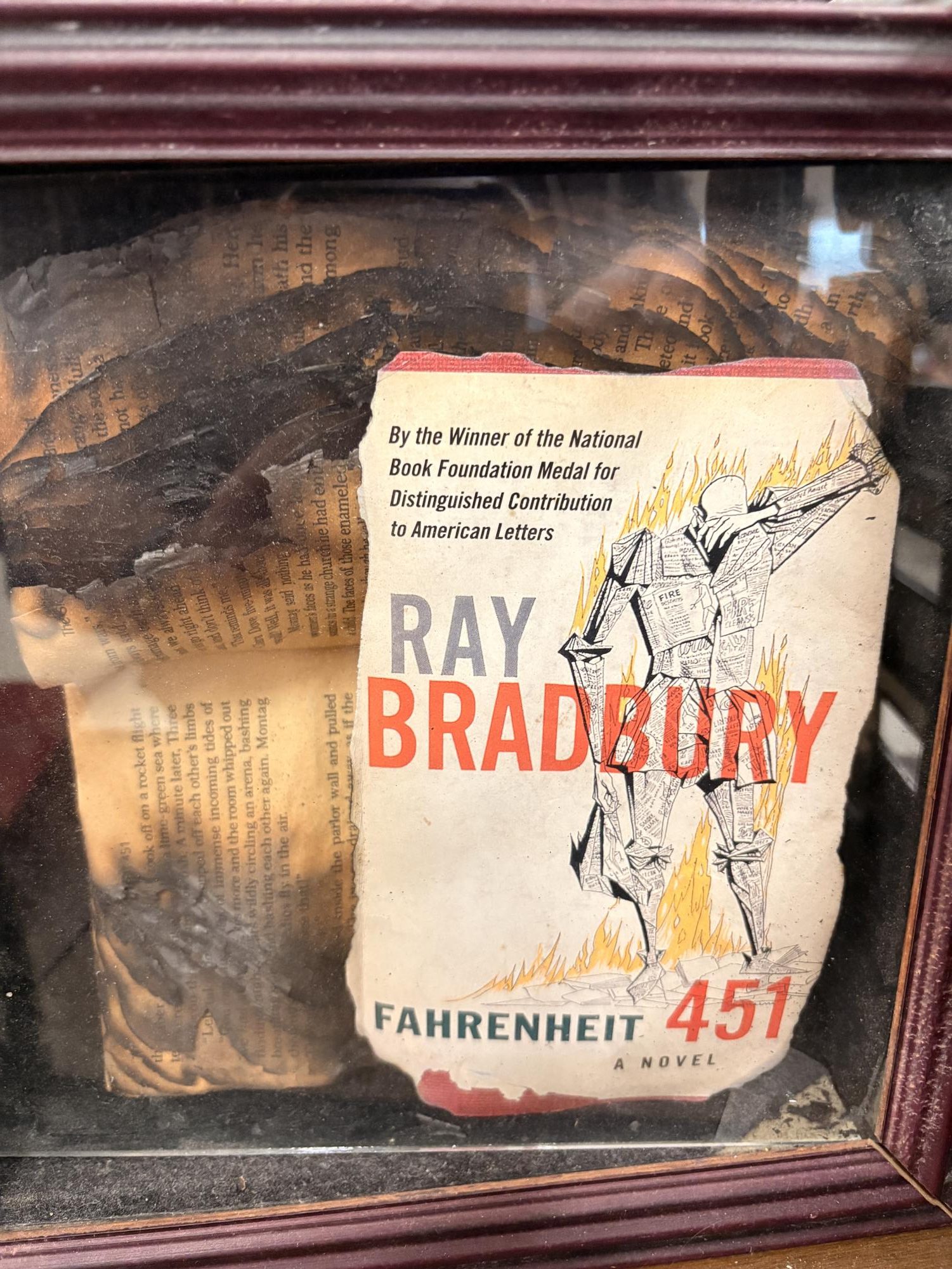
Limiting access to diverse stories may also affect broader societal empathy. Research from Reading Partners has shown disparities in representation in children’s literature, with animals historically appearing more frequently than many racial or ethnic groups combined. Literature plays an important role in helping readers understand experiences different from their own. When access narrows, so does that opportunity.
Book challenges are part of an ongoing national debate about education, values, and youth development. However, instead of removing books entirely, schools and communities might consider encouraging open dialogue, guided discussions, and parental involvement. If we want young people to become thoughtful, informed adults, we should ensure they have access to a wide range of ideas and perspectives.
Protecting the right to read does not mean ignoring concerns—it means trusting students to engage with literature thoughtfully and critically.